7.3 Grätzlinitiative 20+2 programme

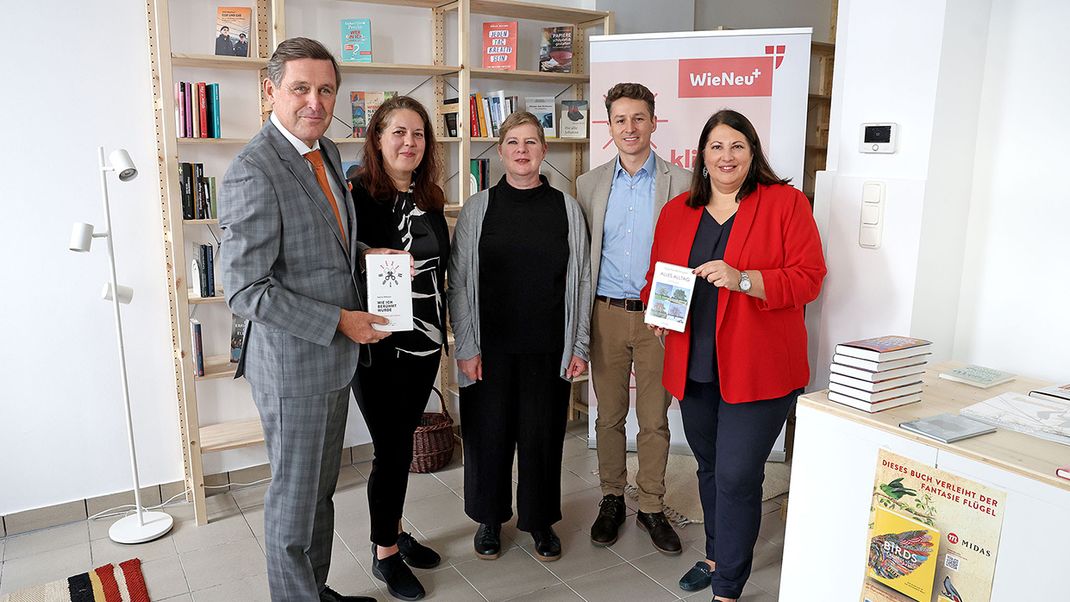
"Grätzlinitiative 20+2" is a special funding programme developed by the Vienna Business Agency in cooperation with WieNeu+. It provides support and advice for small businesses, associations and social initiatives in the WieNeu+ programme area.
Grätzliniative 20+2 – Funding
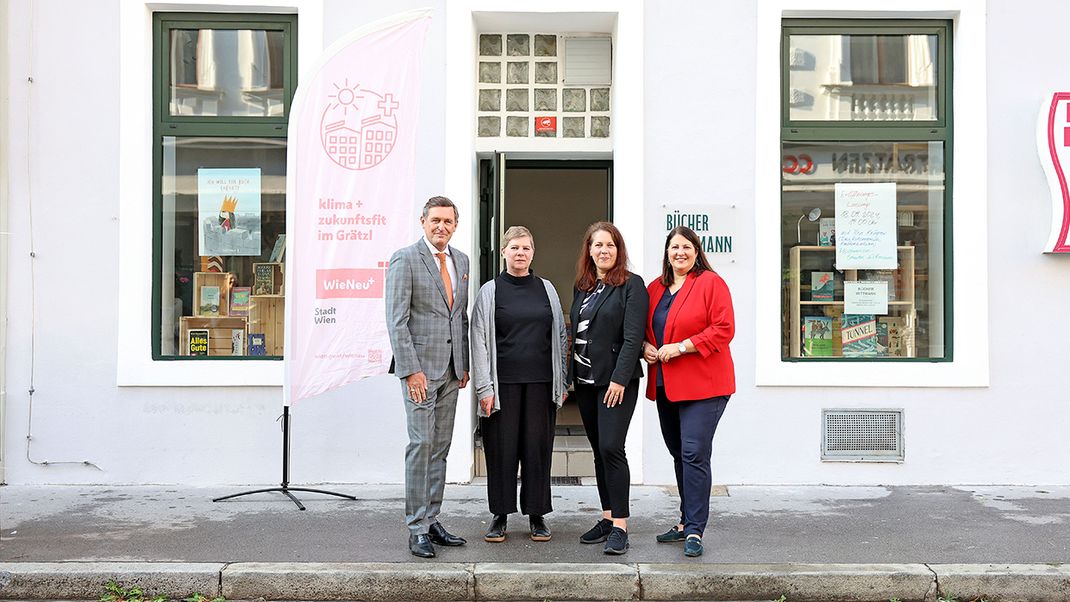
The "Grätzlinitiative 20+2 Funding" programme ran until the end of 2025, providing entrepreneurs and community activists in the WieNeu+ programme area with support for the sustainable development of their business or initiative. This included investments in business premises – e.g. renovation works – or utilisation of services (e.g. marketing).
41 of the 53 submitted projects were approved for support.
Grätzlinitiative 20+2 disbursed around €385,000 in funding to the selected projects.
Grätzlinitiative 20+2 – Call for Projects
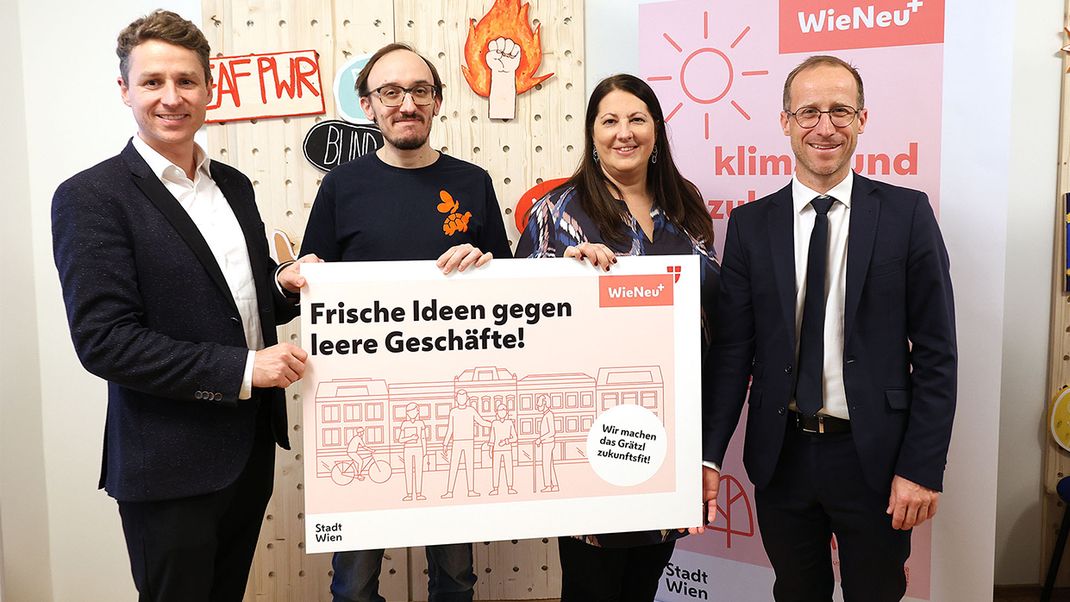
The "Grätzlinitiative 20+2 Call for Projects" in 2024 invited submission of innovative use concepts to revitalise vacant ground-floor premises. 63 projects were submitted, which far exceeded expectations. The ten best submissions were selected and provided with comprehensive support in locating suitable premises. They were also given the opportunity to launch a crowdfunding initiative with assistance from project partner imGrätzl.at and take part in information workshops and 1:1 consultations.
The projects that succeeded in renting vacant ground-floor premises in the WieNeu+ programme area within the five-month deadline will receive a subsidy from the Vienna Business Agency to cover 50% of the rental costs for the next three years.
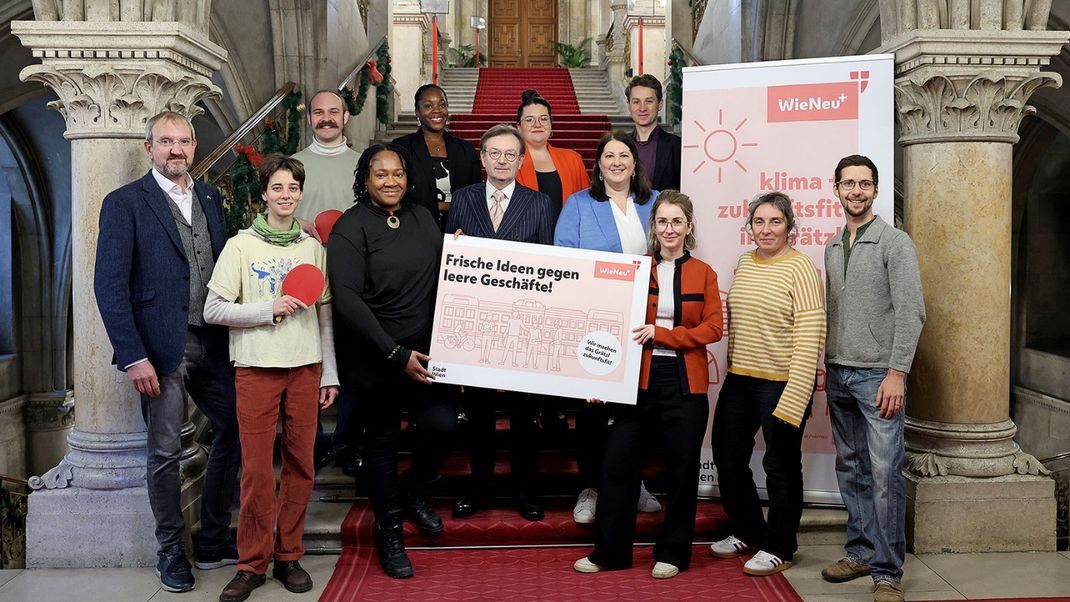
Three projects were successful, each of which are now revitalising ground-floor premises in the WieNeu+ Grätzl 20+2 programme area:
- the HoLi Social Health Hub (Taborstraße 61/1/R11, 2nd district),
- the "Ouvertura + GeLa Ochsenherz" community food co-ops (Heinestraße 30, 2nd district) and
- the Gebärdenverse initiative (Klosterneuburger Straße 89, 20th district), which provides support and activities for deaf people.
More about the winning projects
The HOLi Social Health Club will be the first health centre to work with the so-called "weight-neutral" value system, which places the focus on reducing excess body weight through behavioural changes and ending weight stigma. The holistic health centre will incorporate consultation and therapy rooms and a fitness suite.
The "Ouvertura & GeLa Ochsenherz" community food co-ops aim to provide a space for fair, sustainably produced food. Their "Solidar:Raum" premises not only supply the neighbourhood with affordable produce from organic, community-supported growers; the space is also used as a hub for meetings, themed public events and courses, with a community kitchen to follow in the near future.
The "Deaf Spaces" run by the Gebärdenverse initiative will be a cultural hub for deaf people and the first "third space" for Vienna's Deaf community (apart from home and workplace) where Austrian Sign Language is the standard language. The premises will be open to members of the community free of charge and host a varied programme of courses and events.
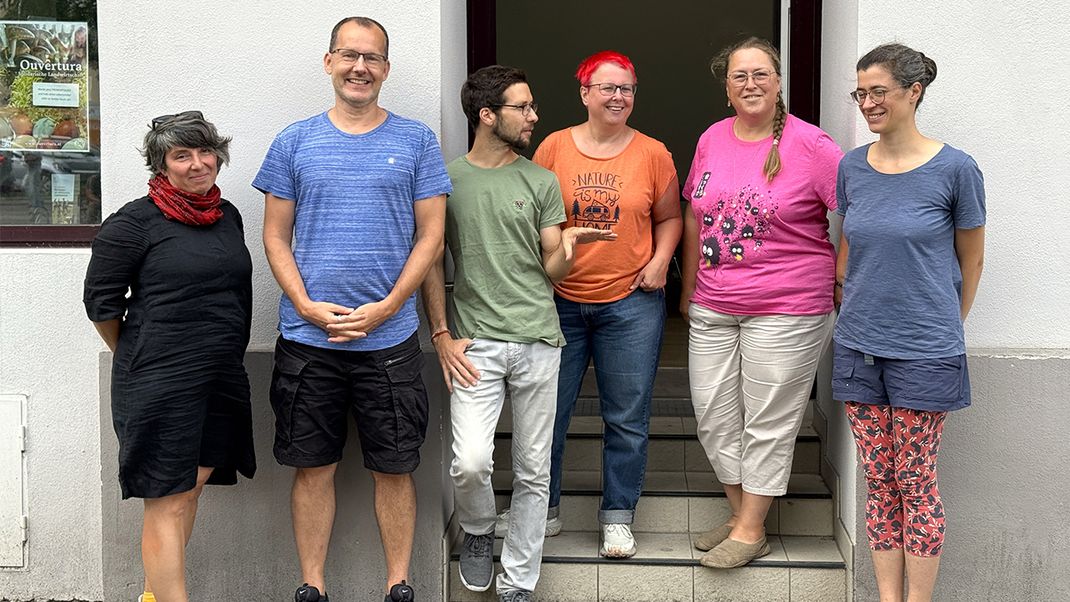
"At our "Solidar:Raum" premises, our community food co-ops supply local residents and people from all over Vienna with organic produce, regardless of their individual financial situation. Co-op members can also use the space for their own activities and we host a wide-ranging programme of events, soon to include a community kitchen project. The whole initiative is based on the principles of the solidarity economy, which we are translating into everyday grassroots action. We wouldn't have dared to take this step without the unbureaucratic, hands-on support we received from WieNeu+." (Julia Ochsenknecht, Solidarraum Ouvertura)
crowd2raum
The "Grätzlinitiative 20+2 Call for Projects" was implemented as part of the research project "crowd2raum" by the Austrian Research Promotion Agency (FFG), which explored different approaches for activation of vacant premises in Vienna and Graz. A special focus was on piloting the so-called "matchfunding" approach: this combines crowdfunding with an additional financial incentive from specially created funding pools, which in Vienna's case were provided by the Vienna Business Agency. imGrätzl.at acted as project lead, with Stadtlabor Graz and WieNeu+ as the other members of the research consortium. The findings of the one-year project were published in a report for knowledge transfer purposes.
Takeaways & challenges
- Demand for affordable ground-floor premises is very high.
- There is a discrepancy between apparently vacant premises and those that are actually available. Only a fraction of the vacant premises are actually offered for rent on the market.
- Contacting the owners of vacant ground-floor units is difficult and challenging, and attempts to do so usually remain unsuccessful.
- Finding premises is especially difficult for associations: many property owners will not rent to associations as the latter are not usually entitled to deduct input VAT.
Project partners
- Vienna Business Agency
- imGrätzl.at (local community crowdfunding platform)
- Stadtlabor Graz (urban development consultancy)
- City of Vienna – Wiener Wohnen (municipal housing agency)
Links to further information:
https://wieneuplus.wien.gv.at/graetzlinitiative-20plus2 (German)
https://wieneuplus.wien.gv.at/graetzlinitative-20plus2-call (German)
https://projekte.ffg.at/projekt/5124532