6.4 “Grätzlmarie” projects: Focus on the Environment

Lessinggasse school beekeeping project
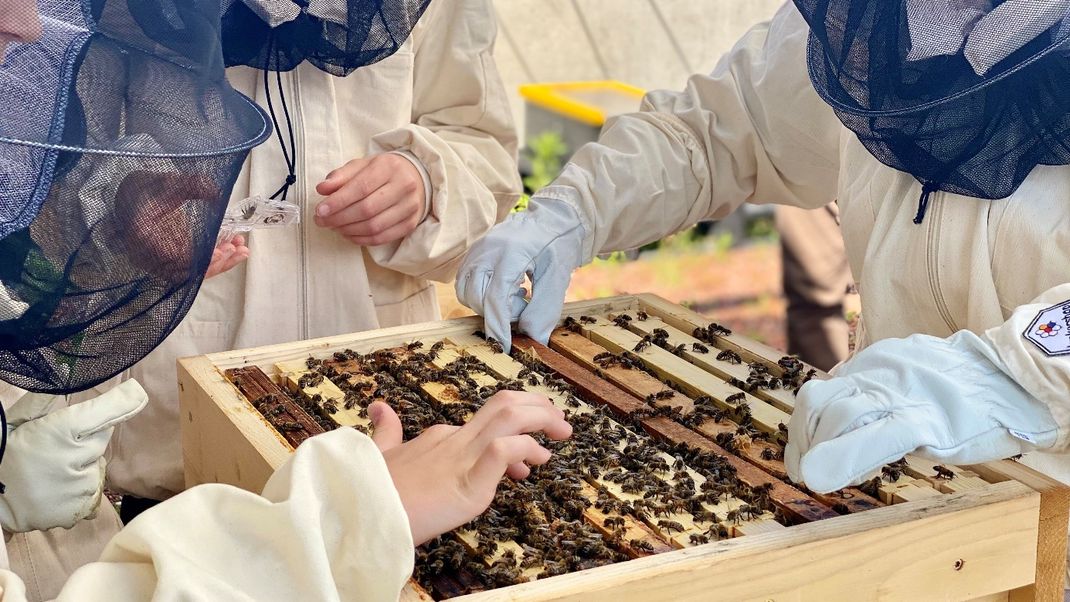
The rooftops of the neighbourhood are abuzz with bees!
As part of their optional module "School beekeeping project", pupils from Lessinggasse Grammar School looked after several beehives on the school roof. In doing so they learned all about bees, beeswax and honey, as well as how to market the harvested products. A "Beehive Open Day" was also held for local residents.
Funding applicant: Paul Rieder and Gerold Fink
Year implemented: 2023
Volkertparadiso urban greening initiative
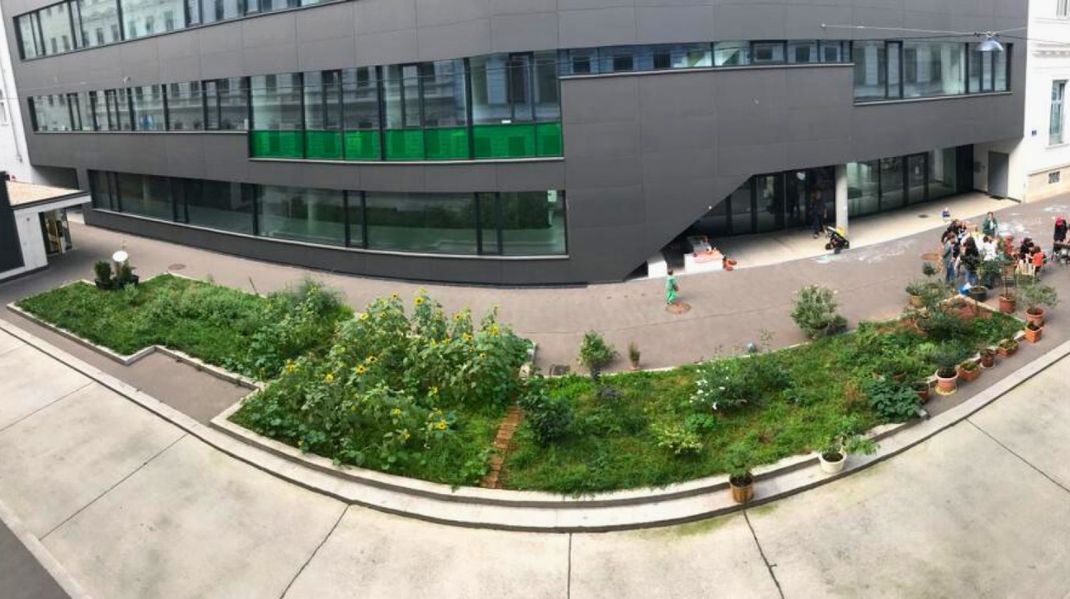
The objective of the community project "Volkertparadiso – from closed road to community green space" was to design, plant and care for the green area between the buildings at Volkertstraße 6 and 8, which was created when a new school was built. Local residents were cordially invited to do some gardening while getting to know their neighbours, a further aim of the project being to create spaces for people to meet, socialise and interact.
Funding applicant: Alberto Franceschini & the neighbourhood committee of the Momentum arts & cultural association
Years implemented: 2023 to 2025
SAMBA community garden
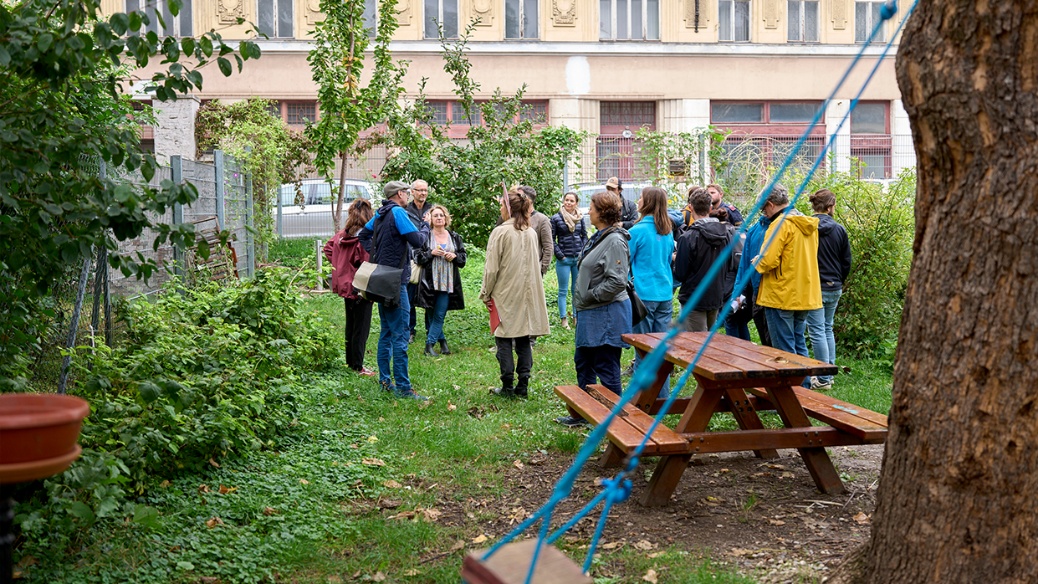
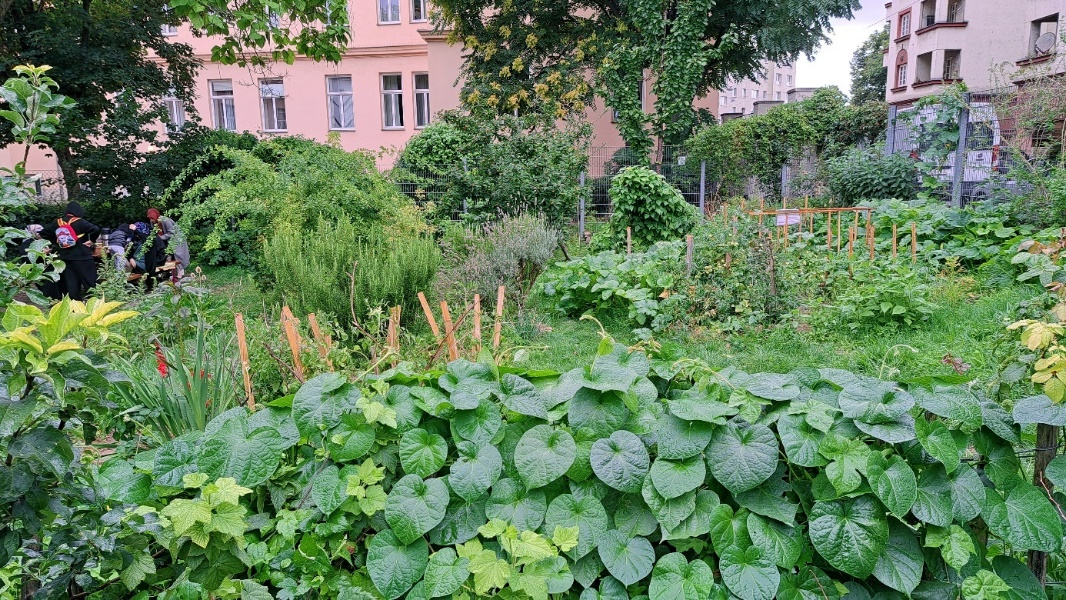
Open to all, the SAMBA community garden (Marinelligasse 6, 2nd district) was laid out in 2013 in cooperation with the Municipal Dept. for Parks and Gardens (MA 42) and the Municipal District Office for the 2nd District. The "Grätzlmarie" funding paid for maintenance and upgrade of the mains water connection, which now also serves as a source of drinking water.
Funding applicant: Verein Garten SAMBA (community garden initiative)
Year implemented: 2024
Biodiversity hedge at “Am Tabor”
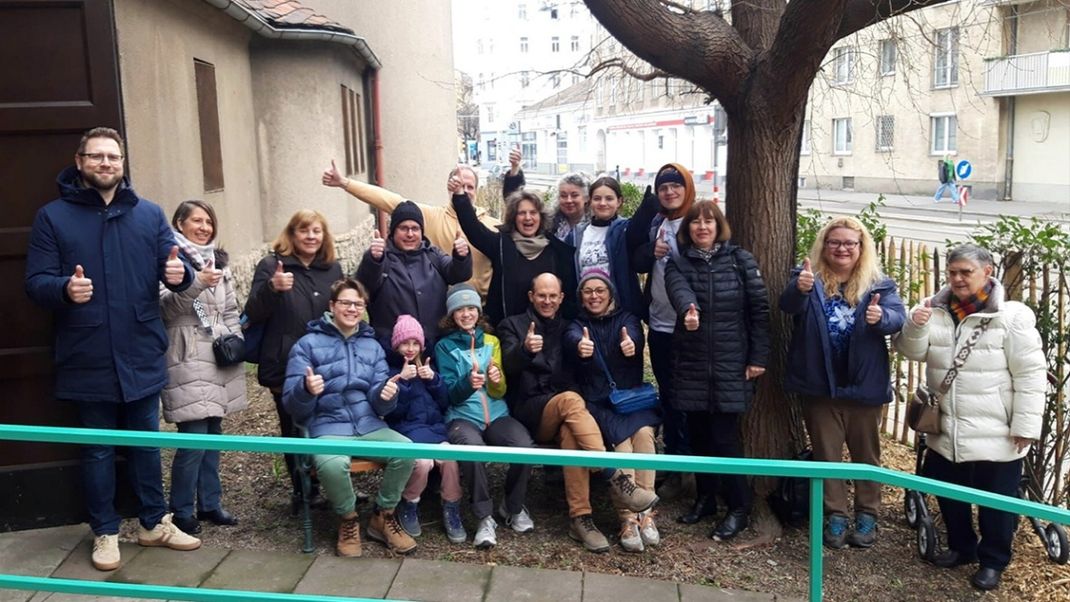
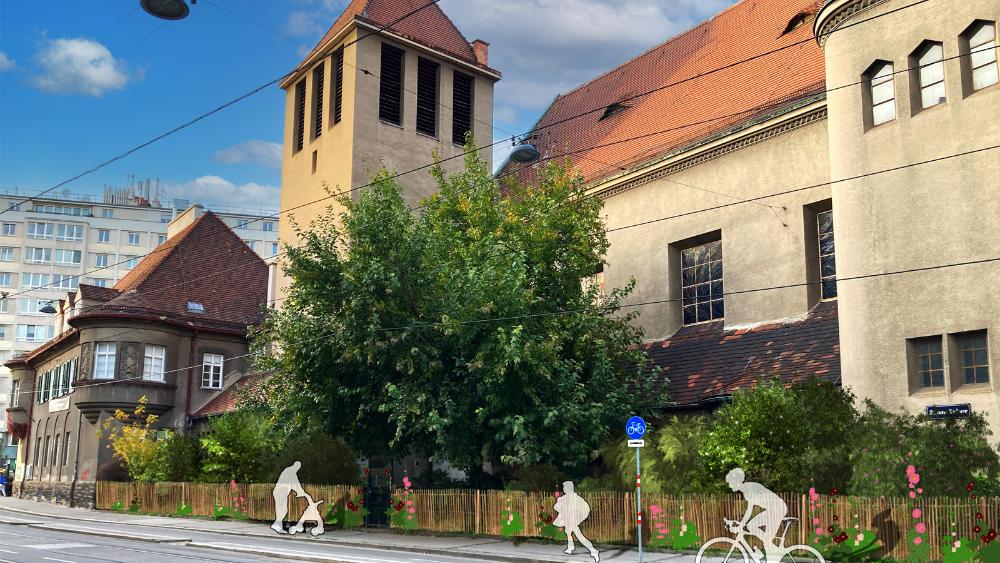
The existing strip of lawn outside Am Tabor Lutheran Church (Am Tabor 5) was planted with a selection of native shrubs. The new shrubs enhance the biodiversity of this unique little outdoor space, while the denser vegetation helps to cool down this section of the street space in the hot summer months. A park bench was also installed, where people can sit and relax under the mulberry tree.
Funding applicant: Am Tabor Lutheran Parish
Year implemented: 2025
StadtNatur Nordwest – educational activities around biodiversity and healthy eating
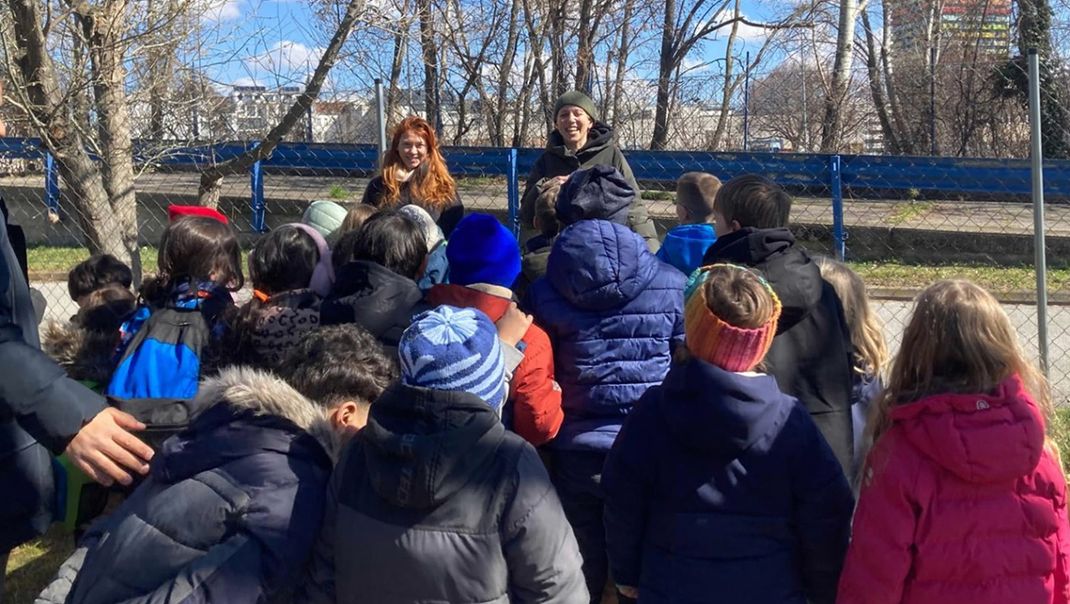
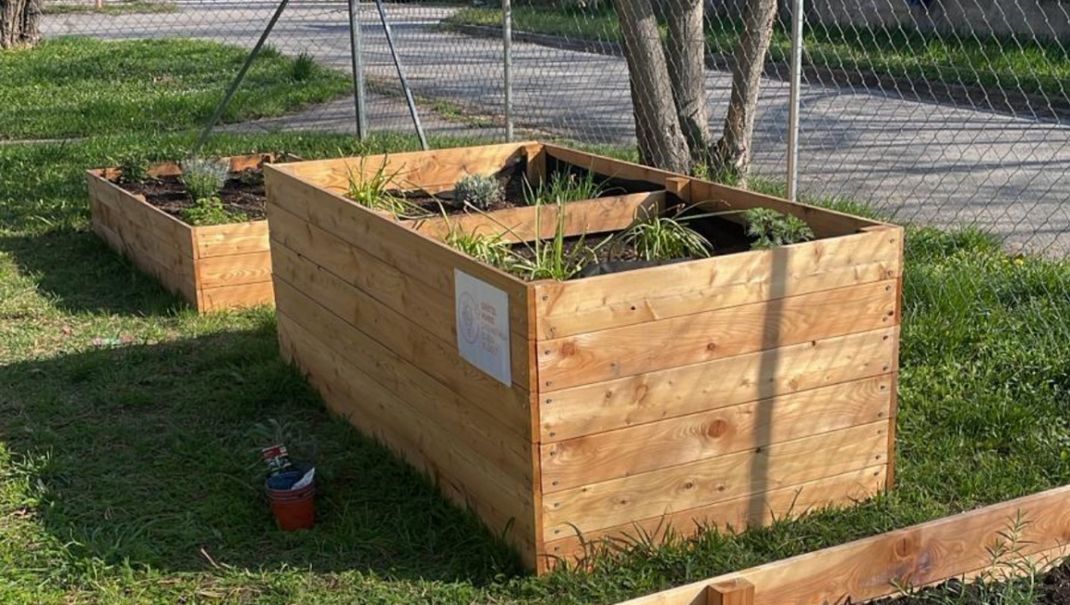
The "GrätzlGemüse – Biodiversität findet Stadt" initiative organises educational outreach activities on the environment and healthy eating for kindergarten and primary school groups as well as local residents. A number of raised vegetable beds with seating have been installed on a plot of land at Nordwestbahnstraße 16 and are used as an edible learning space for informative workshops and public events.
Funding applicant: Verein “GrätzlGemüse – Biodiversität findet Stadt” (biodiversity education initiative)
Year implemented: 2025